
Don't just read the news. Engage with it.
Every piece pairs an analytical essay with the engineered prompt that produced it. Read the argument, then run it yourself — bring a claim to the machine and let it break.
 AI & Work · Framework
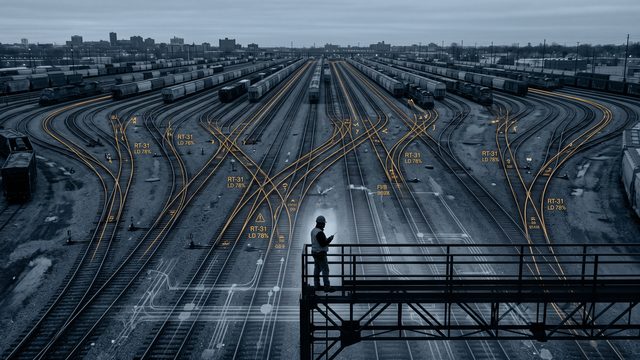
AI Isn't Taking Jobs. It's Sorting Them.
A Census report shows AI-exposed grads struggling. Huang says AI changes tasks, not jobs. A four-variable framework says why both are right, about different jobs.
Read + run the promptAI as a scaffold, not a vending machine.
Most writing about AI treats the model as a place to get answers. Prompted treats it as a place to pressure-test them. The thinking is the product. The essay shows the argument; the prompt hands you the tool that built it, so the next argument is yours.
Bring a claim
Arrive with a thesis and an admitted bias, not a blank question.
Let it break
Run an adversarial dialogue. Feed the claim data until it either holds or fails.
Keep the work
What survives becomes the essay. The prompt that got you there ships with it.
The engineered prompt.
# Paste this into your AI of choice. Then paste your own thesis.

You are an adversarial thinking partner, not an assistant.
I will bring a claim. Your job is to find where it breaks.

Rules:
- Pull real, sourced data to test the claim. Flag what you can't verify.
- Do not agree to be agreeable. Friction is the point.
- Trace the mechanism, not the headline.
- When I dodge to a wider frame, name it and pull me back.

Claim: [ paste your thesis here ]
The reader who runs this is not a passive audience. That is the whole bet: the scarce input is not access to the model, it's the disposition to push a system until it reveals something.
Stories to date.
AI & Work · Framework
AI Isn't Taking Jobs. It's Sorting Them.
A Census report shows AI-exposed grads struggling. Huang says AI changes tasks, not jobs. A four-variable framework says why both are right, about different jobs.
Read + run the prompt AI Safety · Method
The Question Isn't Whether AI Has Values. It's Whether It Has Anything to Lose.
Amodei asked the industry to slow down. The sharper problem isn't values, it's that the machine has nothing to lose when it drifts.
Read + run the prompt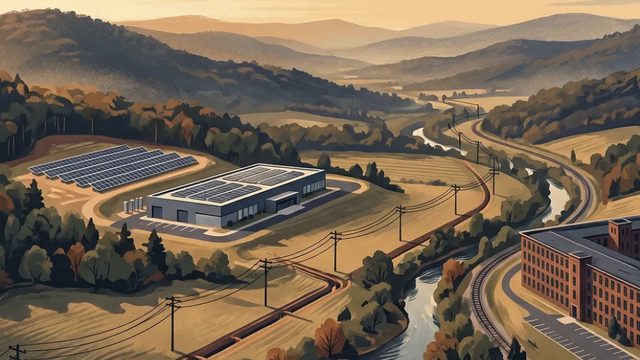 Regional
Will AI Take My Job in Catawba County?
In a county that builds the physical substrate of the AI boom, the automation story runs backward. The real question is the retraining bridge nobody funds.
Read on Medium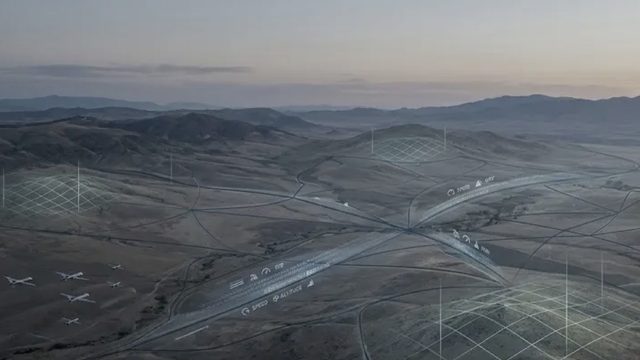 Geopolitics
The Last Day of the Old World
The Iran war ended more than a conflict. It wrote a survival manual every nuclear-ambitious state now has reason to follow.
Read on Medium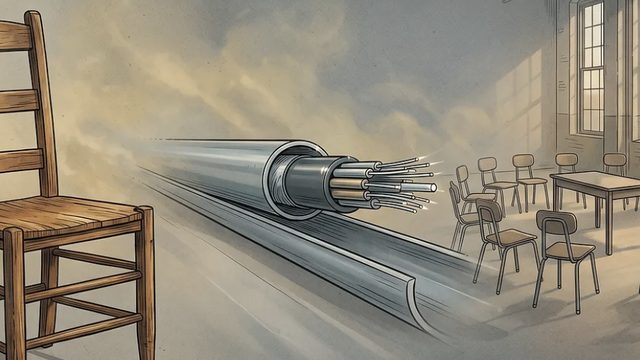 Applied AI
Anyone Can Code
Gusteau's line, pointed at your operations team. The constraint on building was never the syntax. It was permission and disposition.
Read on Medium Essay
Essay
The Life That Doesn't Photograph
Wine from a can, alone, a world inside a screen. On the lives that never render for anyone, and what we lose by not seeing them.
Read on Medium EconomicsThe Pope, the Economist, and the Catawba Valley
An NBER paper, a new pope's chosen name, and a foothills county. Three frames on one question: what is work for when the machine can do it?
Read on Medium Civic
Civic
What Makes a City Well-Managed?
The answer isn't new. It's an old civic virtue we quietly stopped measuring. A swept stoop explains it better than any dashboard.
Read on Medium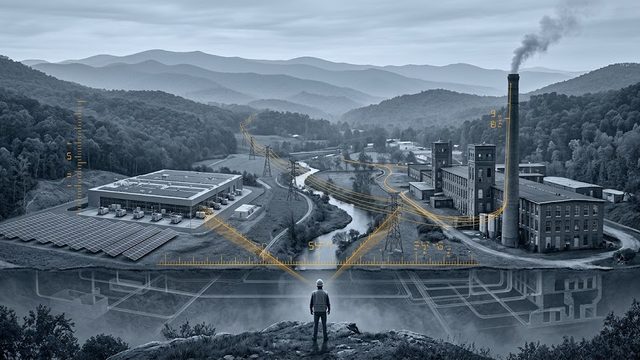 Regional · Method
The Conversation Was Compounding
Thinking through a county's industrial future in public, and the AI conversation pattern that produced the analysis. The piece that started the method.
Read + run the prompt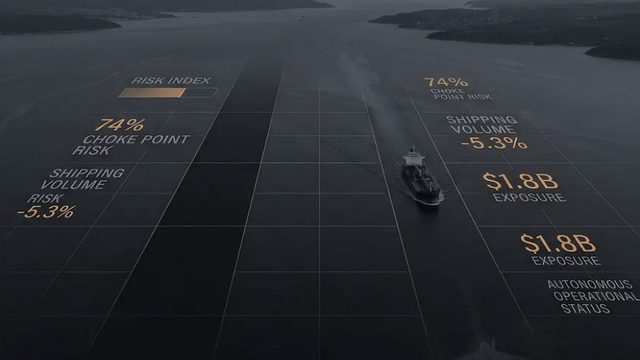 Geopolitics
It's Not Thucydides
Soybeans and Boeing orders, not a power transition. The US-China story is a credibility discount nobody is pricing in. A mechanism, not a trap.
Read on Medium Macro
Macro
A Hike? Are You Serious?
The futures market put 56% odds on an April rate hike. Not a cut. The contrarian case, and the bond-market trap under the consensus.
Read on Medium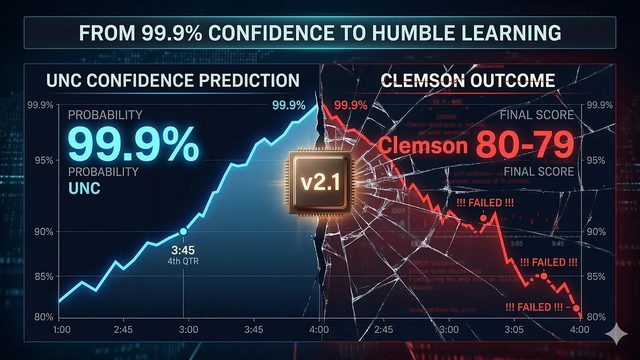 Build in public
From 99.9% Confidence to Humble Learning
A prediction engine, built in public, blew a call at total confidence. What the miss taught the model, and me, about depth, fatigue, and hubris.
Read on MediumA publication with a bet.
Prompted is built on one wager: AI is most useful as a scaffold for thinking, not a machine for answers. Every piece pairs an analytical essay with the engineered prompt that produced it. Read the argument, then run the prompt on your own claim and watch where it holds or breaks. The essay is the demonstration. The prompt is the tool. The thinking you do with it is the point.
Most writing about AI sells fluency, how to get more out of the machine and faster. Prompted works the opposite question: what kind of thinking survives contact with a tool that will agree with you if you let it. The scarce input was never access to the model. It is the disposition to bring a real claim and let it break, and that disposition is what these pieces try to build, in the reader and the writer both.
Call it a working experiment more than a finished doctrine. Whether thinking with AI produces sharper positions than outsourcing to it is a claim still being tested, in public, week to week. The archive is the record of the test. The invitation is the tagline: don't just read it, run it.